


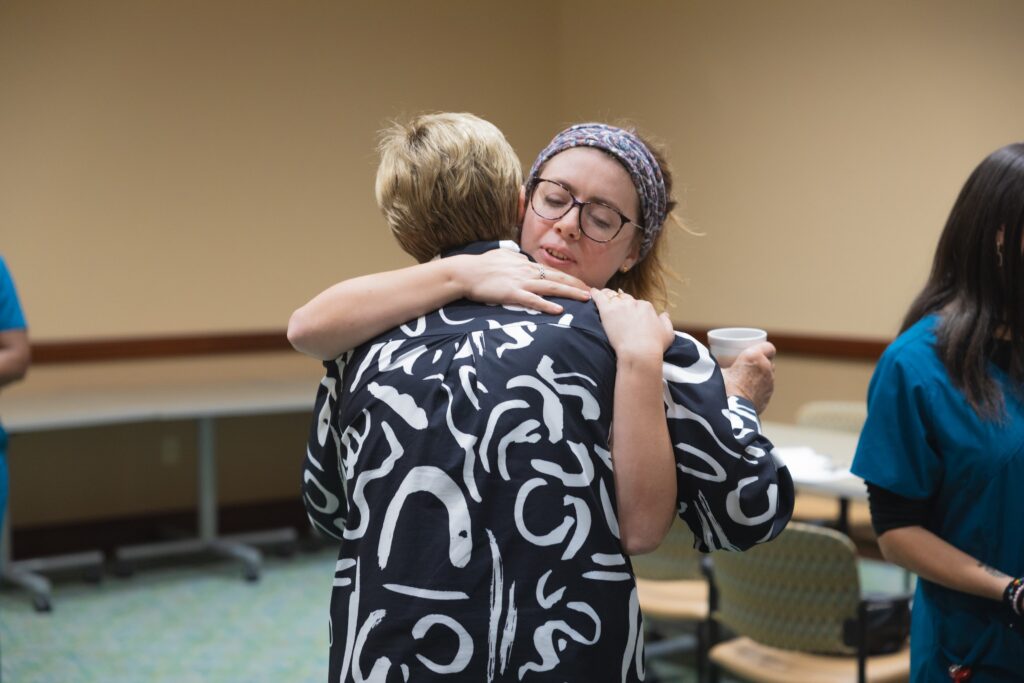
When someone is living with a life-limiting illness, the goals of their care may begin to change. Understanding how hospice differs from regular medical care can help families know what to expect and consider when the time may be right.
Difference Between Hospice and Medical Care: Curing vs. Comforting
Regular medical care aims to treat or reverse a condition. It can include surgeries, aggressive treatments, hospital stays, and ongoing tests to monitor progress toward recovery.
Hospice care is designed for people with a life-limiting illness who have decided that comfort and quality of life make more sense than continued curative treatment. Hospice care focuses on managing pain and symptoms rather than curing the underlying illness, allowing someone to spend their time as comfortably and fully as possible. It means redirecting care toward what brings the most peace, connection, and dignity.
What Hospice Care Includes
Hospice is a team-based approach that typically includes:
- Pain and symptom management from nurses trained in comfort care
- Emotional and spiritual support for both the individual and their family
- Social work services to help navigate practical and emotional decisions
- Volunteer companionship for connection and everyday presence
- Bereavement support for family members, often continuing after their loved one has passed
Most hospice care is provided wherever someone calls home, whether that’s a private residence or a senior living community, so they can remain in familiar, comfortable surroundings.
How to Know it’s Time for Hospice Care
The decision to begin hospice care usually follows conversations among the individual, their family, and their physician about whether continued curative treatment aligns with the person’s needs and wishes. Common signs families notice include frequent hospitalizations, a physician indicating that curative treatment has limited benefit, or a loved one expressing that they’d rather focus on comfort than continued procedures. Choosing hospice is a decision families can make together, guided by what matters most to their loved one.
Frequently Asked Questions About Hospice Care
What is hospice care?
Hospice care is specialized support for people with a life-limiting illness – focused on comfort, symptom management, and quality of life rather than curing the underlying condition. It’s delivered by a team that typically includes nurses, physicians, social workers, chaplains, and volunteers. Care usually takes place at home or in a familiar community setting rather than a hospital.
What’s the difference between hospice care and palliative care?
Palliative care can begin at any point during a serious illness, alongside curative treatment, to manage symptoms and improve comfort. Hospice care is a specific type of palliative care for people who have chosen to stop curative treatment and focus on comfort.
Who is on a hospice care team?
A hospice team typically includes registered nurses, social workers, chaplains, home health aides, and trained volunteers. Each person supports a different part of the experience, from medical symptom management to emotional and spiritual care. The team also supports family members, both during care and through bereavement afterward.
If you’re weighing this decision, our care team at Friendship Village is here to talk through what hospice looks like and answer the questions that matter most to your family. Learn more about Hospice Care.