


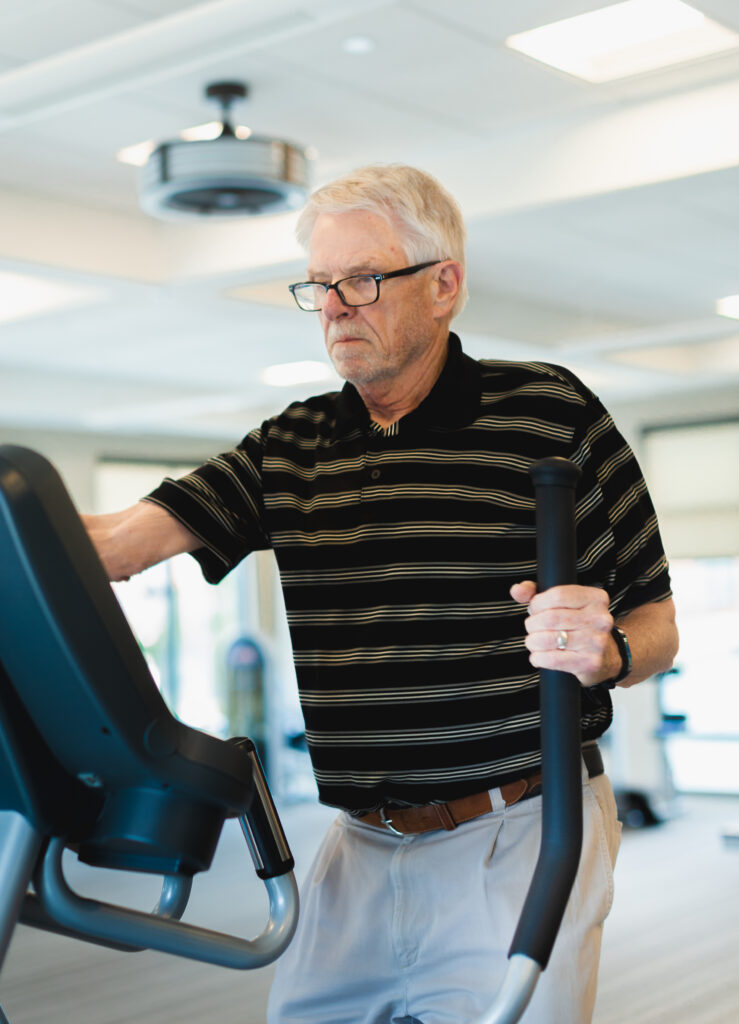
When Physical Therapy Can Benefit Seniors
Many older adults simply adjust their routines due to changes in strength and mobility. Activities like neighborhood walks, playing with the grandkids, or gardening can start to look different. Because these changes are often small and gradual, it is easy to miss opportunities to actually regain and rebuild lost abilities and strength. Physical therapy is a particularly valuable tool that seniors can utilize so they don’t have to scale back on the activities they love.
Physical therapy (PT) is one of the most underutilized resources available to older adults. It doesn’t have to come after a surgery or injury, physical therapy can be a proactive, evidence-based approach to maintaining strength, mobility, and independence at every stage of life. Understanding when and why physical therapy can make a difference can promote better aging.
What Physical Therapy Actually Does
Physical therapy is a clinical discipline focused on improving and restoring physical function. Licensed physical therapists evaluate how the body moves, identify limitations or weaknesses, and design individualized treatment plans to address them.
For older adults, physical therapy typically involves a combination of:
- Therapeutic exercise to build strength and flexibility
- Balance and coordination training to lower fall risk
- Gait training to improve walking patterns
- Education on body mechanics, posture, and self-management strategies
The goal is to restore function, reduce pain, and give people confidence in their daily lives.
Common Situations Where Physical Therapy Can Help
After Surgery or a Medical Event
Recovery from joint replacement surgery, a cardiac event, a stroke, or a fall requires structured rehabilitation. Physical therapy helps rebuild strength, restore range of motion, and retrain the body in safe and effective movement patterns.
Chronic Pain Management
Arthritis, degenerative disc disease, and other chronic conditions create persistent pain. Physical therapy offers a non-pharmaceutical approach to managing that pain through targeted strengthening of muscles that support affected joints, education on how to move safely, and manual techniques that reduce inflammation and stiffness. Many older adults find that consistent physical therapy reduces their reliance on pain medications and helps them return to activities they had given up.
Balance Problems and Fall Prevention
Falls are the leading cause of injury-related hospitalization among older adults in the United States. Poor balance isn’t an inevitable consequence of aging. Physical therapists use standardized assessments to identify fall risk and design targeted programs to address the specific contributing factors. Balance training, when done consistently under professional guidance, can significantly reduce fall risk.
Recovering Mobility After a Period of Inactivity
Extended inactivity leads to measurable muscle loss and reduced cardiovascular endurance. Physical therapy can help older adults safely rebuild strength and stamina after these periods, preventing a slow decline from becoming a permanent one.
Managing Neurological Conditions
For older adults living with Parkinson’s disease, multiple sclerosis, or recovering from a stroke, physical therapy plays a role in maintaining function and independence. Specialized programs focus on gait training, fine motor skills, posture, and strategies for managing disease-related symptoms. Research shows that physical therapy can slow functional decline in many neurological conditions.
Osteoporosis and Bone Health
Physical therapy can help manage osteoporosis. Weight training and resistance exercises prescribed by a physical therapist help maintain bone health. Physical therapy also addresses posture and balance which can significantly affect fracture risk in people with osteoporosis.
Shoulder, Knee, and Hip Pain
Joint pain in the shoulders, knees, and hips is among the most common complaints in older adults. While some cases eventually lead to surgery, physical therapy is frequently the appropriate first line of treatment and often eliminates the need for surgical intervention entirely. Targeted strengthening and stretching exercises can restore function to a painful joint, reduce inflammation, and correct the movement patterns that may be contributing to the problem in the first place.
When to Ask About Physical Therapy
There are several signs worth considering when evaluating if physical therapy could be helpful:
- Pain that limits daily activities or sleep
- A noticeable change in gait, balance, or endurance
- Recovering from surgery, injury, or illness
- A recent fall, or fear of falling
- Stiffness that has gotten progressively worse
- Difficulty with tasks that were once easy like climbing stairs, rising from a chair, reaching overhead
Of course, even without the symptoms above, you can always proactively ask your doctor if physical therapy is worth pursuing. A primary care physician, specialist, or the care team at a senior living community can provide a referral and help determine whether physical therapy is an appropriate next step.
Physical Therapy at Friendship Village
Our team of licensed physical therapists at Friendship Village offer short-term rehabilitation and ongoing therapy services both on campus or in senior’s homes. Whether recovering after a hospital stay or working to maintain strength and independence, individualized therapy plans are designed to help each individual meet their personal goals.