


Care Options After a Hospital Stay
For many seniors, the transition following a clinical hospital stay can be a critical time to set up long-term health and independence. Prioritizing rest, therapy exercises, or specialized care can be especially important to the recovery process. Navigating the various levels of care can feel difficult during this time, but understanding the specific benefits of each service allows for an easier, more productive, recovery experience.
Understanding the Options: Rehab, Home Health, and Private Duty
In-Patient Rehabilitation
When an illness or surgery requires intensive recovery, a short-term residency provides a bridge to everyday life. High-quality rehab programs offer physical, occupational, and speech therapies in a supportive environment, often leading to meeting goals faster and easier. If the hospital discharge papers specify a need for “intensive therapy” or if a doctor recommends 24-hour clinical supervision, in-patient rehab is often the safest choice.
Home Health Care
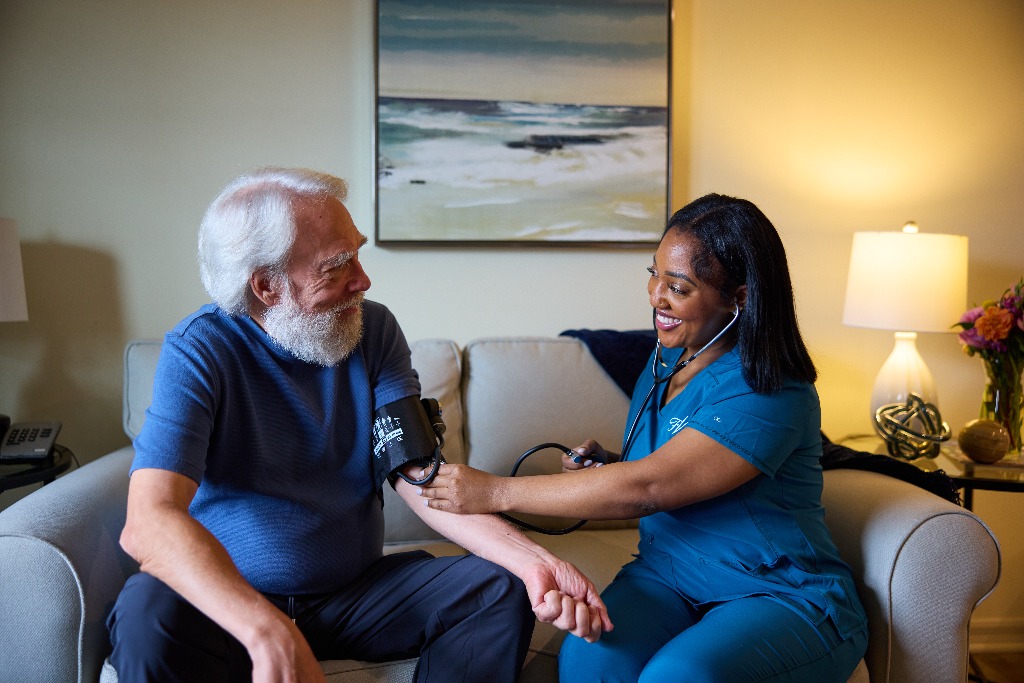
For those who prefer to recover in familiar surroundings, Home Health provides certified medical support. This includes skilled nursing, physical therapy, and respiratory therapy, all aimed at helping seniors regain strength while maintaining independence. This is a medical service prescribed by a physician for patients who are medically stable enough to go home but may need specialized medical services.
Private Duty Care
If medical care isn’t needed after a hospital stay, a little bit of extra support through the transition can make a big difference. Private Duty services focus on non-medical support that simplifies life. This can range from medication reminders and meal preparation to light housekeeping and transportation for follow-up appointments, allowing the individual to focus entirely on healing.
Checklist for a Successful Post-Hospital Transition
To ensure a safe and effective recovery, consider the following steps:
- Review the Discharge Plan: Understand all medication changes, wound care requirements, and follow-up appointment schedules provided by the hospital team.
- Assess Home Safety: Remove tripping hazards and ensure mobility aids are in place to prevent falls during the early days of recovery.
- Coordinate a Support Team: Whether it is skilled nursing, home health or private duty caregivers, having a dedicated team ensures no detail of the recovery plan is missed.
Need help creating a plan for after a hospital stay? Our team at Friendship Village would be happy to talk through care options. Contact us to set up a consultation.